
Lead poisoning
Lead poisoning occurs when there is increased level of lead inside the body. Lead is toxic and can lead to many health problems such as headache, anemia, abdominal pain and irritability. Over time, lead poisoning can result in kidney failure, hypertension, learning difficulties, lethargy and behavioral problems. Children are at risk for lead poisoning when they are in contact with products containing lead. X-rays, blood count and CT or MRI of brain can help in identifying lead poisoning.
Lead poisoning in adults has often been traced to the use of lead based glazes on potteries and contamination of herbal medicines. Sometimes lead pipes in older homes can leach lead into water. It is safe to let the water run for a few seconds before using the water for consumption. The more time water has been sitting in the pipes, the more lead it may contain. Again hot water may contain more lead than cold water. In adults, symptoms of lead poisoning are seen when the lead level in the blood exceeds 80 µg/dL for weeks.
Lead exposure is measured in micrograms per deciliter of blood (µg/dL). The following is a guide to the standards on lead exposure set by the CDC (Centers for Disease Control and Prevention):
- 0 µg/dL : Even at birth, all people have some lead in their blood. However no level of exposure is deemed safe for children.
- 1.0 — 1.3 µg/dL : Average blood lead level among children ages 1-5 in the US
- 3.5 µg/dL : The CDC is considering using this level as a new "reference value" to identify children under age six
with elevated blood lead levels. The threshold is lowered periodically to reflect new data from a national health
and nutritional survey.
- 5 µg/dL : The CDC's current reference level for an elevated childhood blood level
that warrants public health action, close monitoring or case management. Some
500,000 U.S. children are at or above this level, which some states define as lead
poisoning.
- 10 µg/dL : Children who reach this threshold require closer attention and action
to limit further lead exposure. Many states conduct inspections of the poisoned
child's living environment to identify exposure sources. Research shows that a
blood lead level of 10 µg/dL can lower IQ by 4 to 6 points on average.
- 45 µg/dL : Poisoning that may require hospitalization and chelation drug
treatment, which helps the body to excrete lead. The drugs aren't considered
effective for children with lower blood lead levels.
- >70 µg/dL: Left unchecked, acute lead poisoning can cause seizures, coma and death.
High levels of lead in the blood may require Chelation Therapy (treatment with chemical agents that bind to the heavy metal lead which can be excreted through urine). There are 4 agents :
Edetate Calcium Disodium (EDTA calcium) and Dimercaprol (BAL) are given through injections
Succimer (Chemet) and Penicillamine (Cuprimine, Depen) are taken orally.
Anemia
Anemia stands for 'without blood' in Greek; When the number of red blood cells (RBC) falls below normal, Anemia is a resultant condition. Hemoglobin is an important constituent of RBC. Hemoglobin usually occurs in the range of 12 and 18 g/dL (grams per deciliter of blood). If the hemoglobin levels show a decrease, anemic conditions set in. Consequently, the various organs and tissues of the body do not receive adequate oxygen on account of the diminished oxygen carrying capacity of the blood. This impairs their normal functioning. Usually women have smaller stores of iron than men. Besides, they also lose blood during menstruation making them primary targets for anemia.
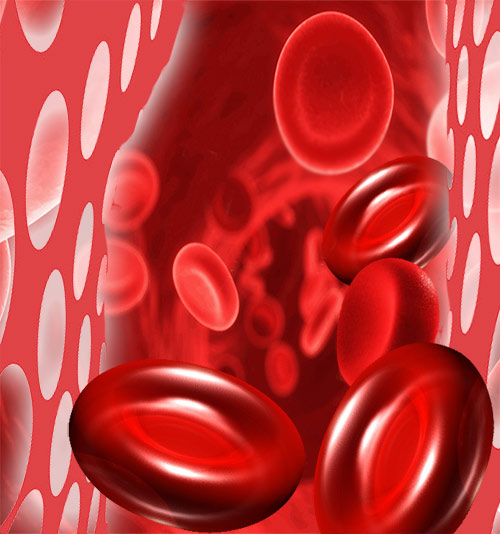
World Health Organization (WHO) defines anemia as a hemoglobin level lower than 13 g/dL in men and lower than 12 g/dL in women. It is essential to be familiar with the typical symptoms of anemia. Often anemia is misdiagnosed and left untreated. An anemic person is likely to feel extremely tired and weak. This is accompanied with dizziness and breathlessness. A person suffering from anemia tends to appear pale and experience feelings of depression. In some cases, anemia can lead to heart ailments too.
Causes of Anemia
- Serious disease or infection such as hookworm infection, bleeding piles, esophageal var ices and peptic ulcers.
- Hemorrhagic - Excessive blood loss due to surgery, menstruation or injury.
- Genetic defects lead to sickle cell anemia, Thalassemia anemia and aplastic anemia.
- Hemolytic - Excessive intravascular blood destruction where red blood cells are destroyed prematurely.
Types of Anemia
Iron deficiency Anemia - Nearly 20% adult women tend to suffer from this form of anemia. Loss of blood due to menstruation is not compensated with an iron-rich diet. Pregnancy and breast feeding can also deplete iron stores. Iron deficiency anemia is also noticed during growth spurts or internal bleeding.
Aplastic anemia - When the bone marrow does not produce sufficient quantities of blood cells, aplastic anemia is noticed. Childhood cancers such as leukemia are often responsible for this form of anemia. Other possible causes of aplastic anemia are radiation, cancer or antiseizure medications and chronic diseases such as thyroid or kidney malfunction. Treatment for aplastic anemia involves blood transfusions and bone marrow transplant. This is done to replace malfunctioning cells with healthy ones.
Vitamin deficiency anemia - Low levels of folic acid lead to faulty absorption of iron. Anemia caused due to folic acid deficiency is called Megaloblastic anemia. Pregnancy doubles the body requirements of folic acid and it is imperative that pregnant women take folic acid supplements. Good dietary sources of folate are fresh fruits, green leafy vegetables, cruciferous vegetables, liver and kidney, dairy products and whole grain cereals. Vegetables should be eaten raw or lightly cooked.Folic acid anemia is also a common problem faced by alcoholics. Vitamin B-12 deficiency can lead to a condition of Pernicious anemia. Diseases such as thyroid malfunction or diabetes mellitus can affect the body's ability to absorb vitamin B-12. This vitamin is vital in the production of hemoglobin.
Vitamin C Deficiency Anemia is a rare form of Anemia that is the result of small red cells owing to prolonged dietary deficiency of the Vitamin C.
Sideroblastic Anemia: In this anemia, the body has sufficient iron but it fails to incorporate it into hemoglobin.
Hemolytic Anemia results from high rate of destruction of Red Blood Cells (RBC) at a rate faster than the rate bone marrow can replenish them.
Thalassemia anemia - Thalassemia or Cooleys Disease is a hereditary disorder found predominantly in people of South East Asian, Greek and Italian racial groups. This form of anemia is seen in differing degrees as Thalassemia encompasses a group of related disorders that affect the human body in similar ways. The most common occurrences of Thalassemia are alpha and beta thalassemia. Alpha thalassemia occurs when there are defects in the genes that produce alpha globin, while beta thalassemia occurs when there are defects in the genes that produce beta globin. The severity of the disorder depends on how many genes are affected and the specific mutations involved. Thalassemia anemia is characterized by symptoms like jaundice, enlarged spleen, shortness of breath and facial bone deformities.
Thalassemia is a group of inherited blood disorders that affect the production of hemoglobin, a protein in red blood cells that carries oxygen throughout the body. The disorder is caused by mutations in the genes that control the production of hemoglobin.
Thalassemia anemia occurs when a person has fewer red blood cells than normal, or the red blood cells are smaller and do not contain enough hemoglobin. This can lead to a range of symptoms, including fatigue, weakness, pale skin, jaundice, and an enlarged spleen.
Treatment for thalassemia anemia may involve blood transfusions, iron chelation therapy to remove excess iron from the body, and bone marrow transplant in severe cases. With appropriate treatment and management, many people with thalassemia can lead healthy and productive lives.
Diagnosing Anemia
A complete blood count test will test for hemoglobin levels and display an anemic condition. But often anemia is a symptom whose cause lies deeper. The cause and type of anemia will determine the treatment that is needed. A stool test will help in detecting occult blood. Hemoglobin electrophoresis is a blood test that helps identify abnormal hemoglobins. Diagnosing thalassemia or sickle cell anemia becomes possible with this test.
Treating Anemia
Deficiency can be treated with supplements of iron, Vitamin B-12 and Vitamin C. Partaking an iron-rich diet can be beneficial for those suffering from nutritional deficiency anemia. Seafood, nuts, whole grains and dried fruits such as raisins, prunes and apricots are rich in iron. Ensure adequate consumption of Vitamin C as it aids and stimulates iron absorption. Try and combine citrus foods with iron-rich foods - add tomatoes to a turkey sandwich or chopped strawberries with iron-fortified breakfast cereals.
Plastic Surgeon
A surgeon, who can correct deformity, scars and disfigurement caused by accidents, birth defects and treat diseases like skin cancer (melanoma), is called a plastic surgeon. A plastic surgeon also performs surgeries purely based on cosmetic purposes, e.g. rhinoplasty. The first plastic surgeon of the U.S. was Dr. John Peter Mettauer who performed his first surgery of cleft palate in the year 1827. Plastic surgeons perform various levels of surgeries on human body to beautify and restructure it. The main surgeries performed by plastic surgeons:
Reconstructive surgeries: The most common surgeries in the reconstructive section are breast reconstruction, palate surgery, cleft lip, surgery for patients suffering from burns called contracture surgery. Another technique called microsurgery is performed where tissue is transferred from one place to another where tissue is damaged and needs replacement.
Cosmetic surgery: The most famous and common surgery in the area of plastic surgery is cosmetic surgery and is performed purely from beautification point of view. Cosmetic surgery also known as aesthetic surgery is done just to enhance the beauty of any part and may possibly be a reconstructive surgery. The surgery improves the beauty or looks of any part of the body and is usually referred with the name of that particular part of the body. For e.g. Abdominoplasty (tummy tuck - reconstruction of the abdomen), Blepharoplasty (eyelid surgery) - application of permanent eyeliner or reshaping the eyelids.
Cosmesis: Another common procedure called as cosmesis is a blend of reconstructive plastic surgery and cosmetic plastic surgery. In the process of reconstructive surgery, cosmetic surgery techniques are utilized thus improving cosmesis.
In addition to these branches of plastic surgery, there are also surgeries such as craniofacial surgery - mainly dealing with pediatric deformities, maxillofacial surgery - improvement of the jaw and the face.
The risk of handing over your beauty lies with the plastic surgeon. Ensure your surgeon is
- Certified by a board, e.g. American Board of Plastic surgery.
- The surgeon is rightly qualified, cross check his qualifications with the right body. He should have completed medical school and then specialized for five years in the field of general surgery and then plastic surgery. After this should have cleared oral and written examinations held by the board.
- Has the right infrastructure and facilities to handle surgeries. They should be well-equipped with the latest gadgets and facilities thereby making the procedure easy.
- Has enough experience in the field of plastic surgery.
Latest trends in plastic surgery
- Use of lasers and fiber optic telescopes to in the field has led to better results and satisfying customers. The outcome of the surgery is more enduring than earlier times.
- This method has made plastic surgery more economical and trouble-free as a result reduced side effects.
- An endoscopic method for facelifts and forehead corrections.
- Modern techniques mean smaller incisions and practically no scars left behind after the surgery.
- Also modern sedation techniques like the intravenous sedation save a lot of trouble and risk for the patients.
Tags: #Lead poisoning #Anemia #Plastic Surgeon
At TargetWoman, every page you read is crafted by a team of highly qualified experts — not generated by artificial intelligence. We believe in thoughtful, human-written content backed by research, insight, and empathy. Our use of AI is limited to semantic understanding, helping us better connect ideas, organize knowledge, and enhance user experience — never to replace the human voice that defines our work. Our Natural Language Navigational engine knows that words form only the outer superficial layer. The real meaning of the words are deduced from the collection of words, their proximity to each other and the context.
Diseases, Symptoms, Tests and Treatment arranged in alphabetical order:

A B C D E F G H I J K L M N O P Q R S T U V W X Y Z



Bibliography / Reference
Collection of Pages - Last revised Date: June 9, 2026